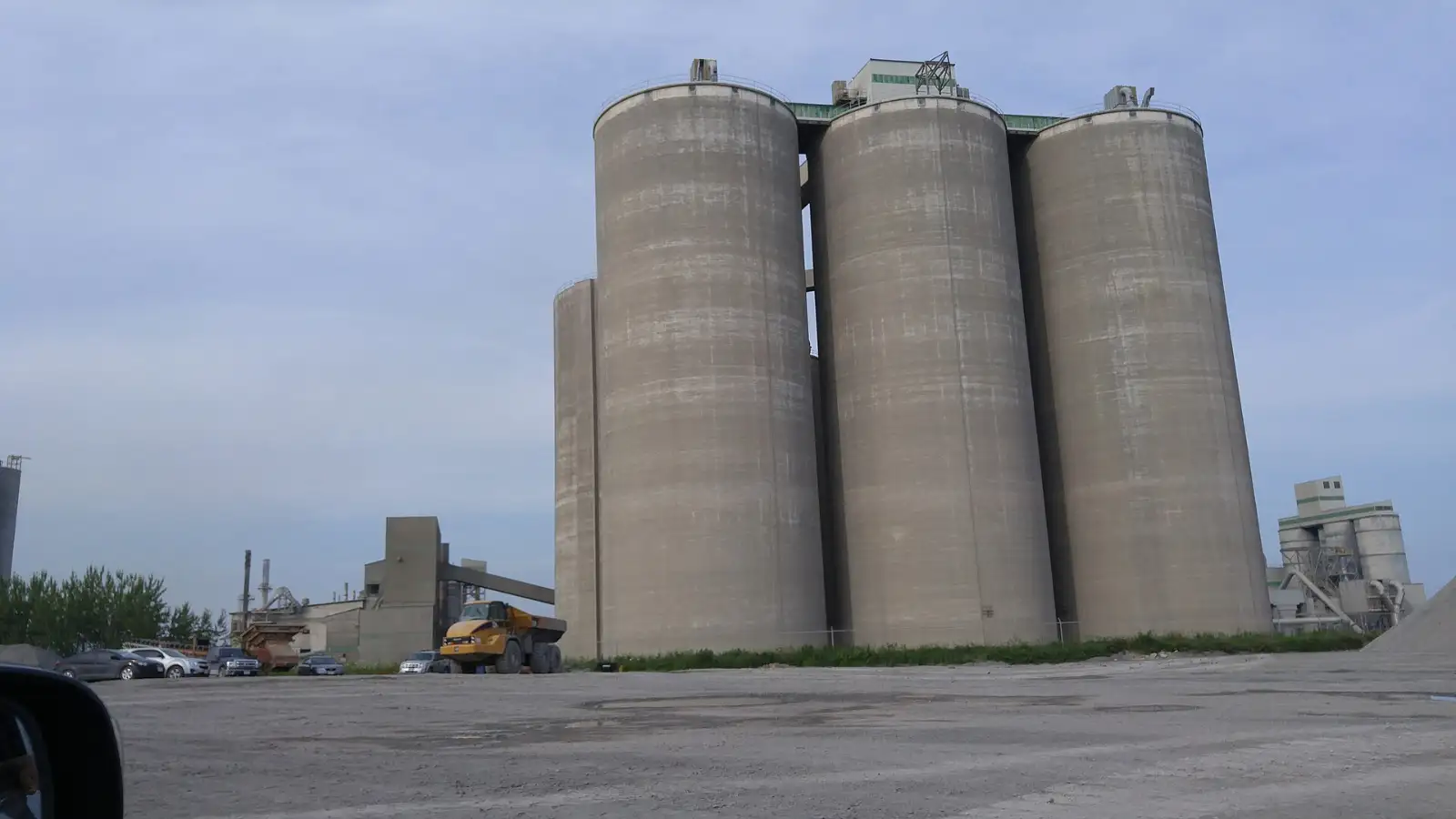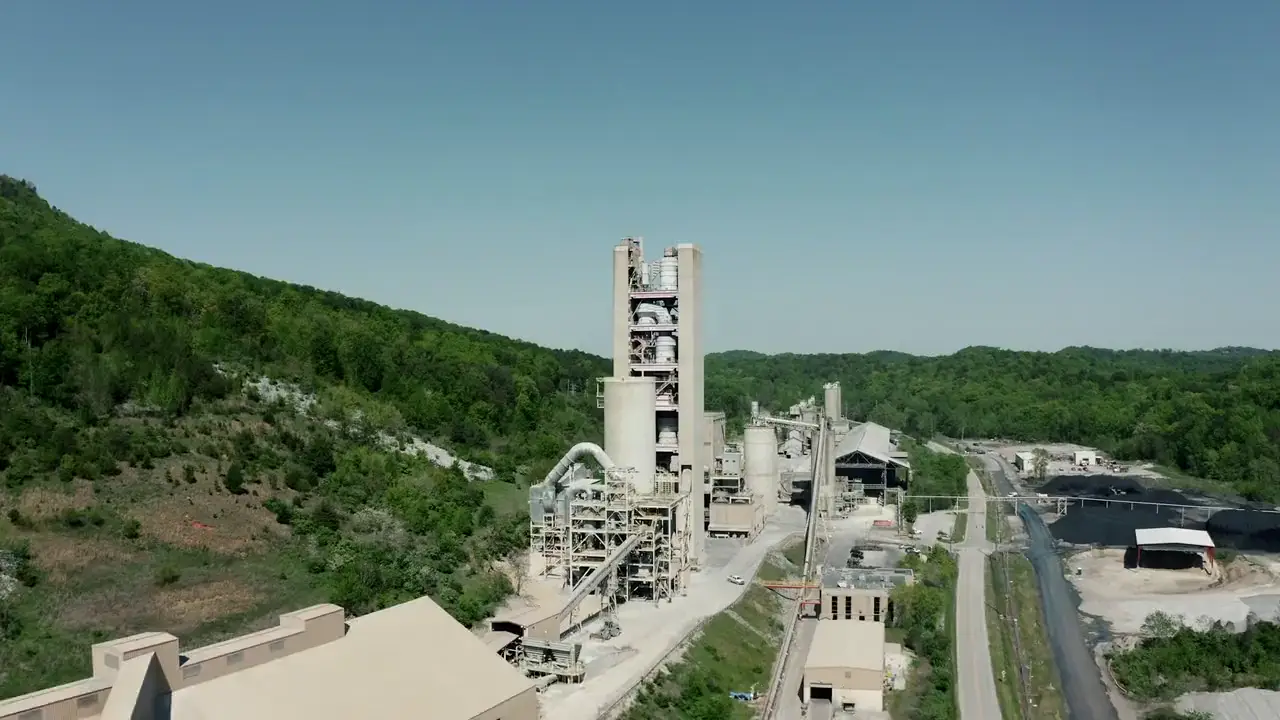
Emissions made at the source
Most of a plant's CO₂ comes from two steps: burning fuel to reach kiln temperatures above 1,400 °C, and the calcination of limestone itself. Both happen before any capture equipment is involved.
Low-carbon cement technology, licensed and documented per ton
Acriva licenses a proprietary process that reduces CO₂ in cement production at the source. You keep your infrastructure, pay a technology fee and a royalty per verified ton, and receive independent documentation for every ton you make.
What a licensee receives, per ton
7 to 8%
of global CO₂ emissions come from cement production
Source: IEA, GCCA industry data
4.1bn t
of cement produced worldwide each year
Source: IEA cement tracking
150 to 300EUR/t CO₂
estimated cost of capturing and storing CO₂ at a cement plant
Source: published European CCS project estimates
~85EUR/t CO₂
indicative EU ETS allowance price, well below the cost of capture
Source: EU ETS market data, indicative
The industry challenge
Cement is one of the largest industrial sources of CO₂. The industry's main answer so far, carbon capture and storage, treats the exhaust after the emissions have been made. It is expensive, slow to permit, and leaves producers paying for every ton they emit.
Most of a plant's CO₂ comes from two steps: burning fuel to reach kiln temperatures above 1,400 °C, and the calcination of limestone itself. Both happen before any capture equipment is involved.
Published estimates put capture and storage at 150 to 300 EUR per ton of CO₂, against an EU ETS allowance price of around 85 EUR. Full European CCS build-out for cement runs into the hundreds of billions.
Conventional clinker production depends on coal, petcoke, oil or gas to hold extreme temperatures. Production cost moves with every swing in the energy market.
Geological storage sites are few, permitting is slow, and pipeline access is controlled by a handful of operators. Producers face rising fees for CO₂ disposal with little choice of supplier.
How it works
Four pages explain what a producer needs to decide: how the process works, how the license is paid for, what each verified ton documents, and which residues it runs on.
Reduction at the source: no kiln, no combustion, industrial residues as raw material, and how the target carbon intensity is being confirmed.
An upfront technology fee, then a royalty per verified ton, with implementation engineering and a four-step path to production.
What each verified ton documents, and how that differs from a voluntary carbon credit and an EU CBAM certificate.
Slag, fly ash, quarry fines and mine tailings become secondary raw materials for low-carbon cement.
Pilot program
The pilot program takes a producer from first data exchange to test production on its own inputs. You see the reduction potential, the strength results and the royalty case before any license is signed.